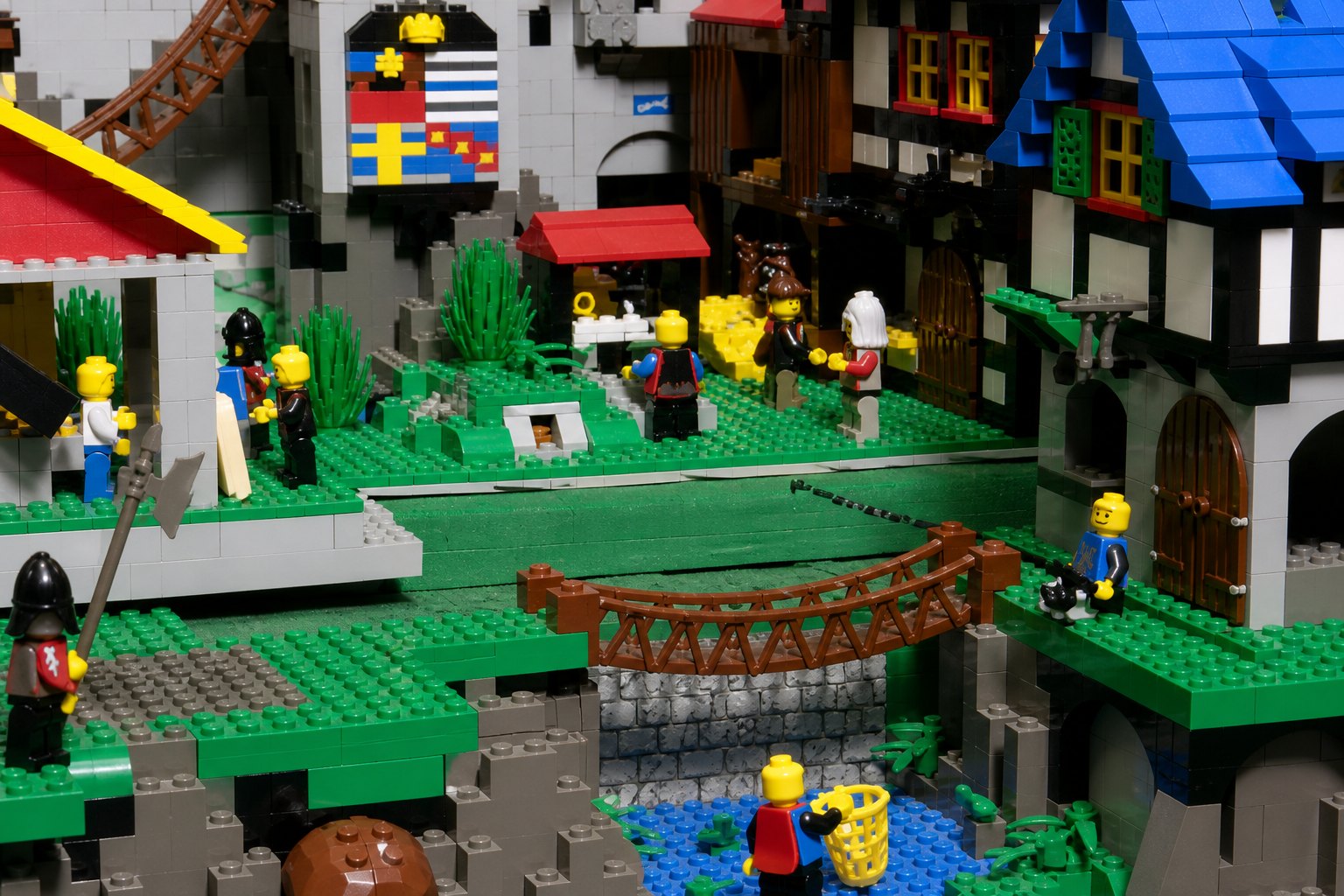
Outer Ward of The Hoernersburg.
Outer Ward
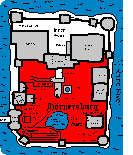
The Outer Ward of the Hoernersburg is a large enclosed area in front of the main castle. The Outer Ward is surrounded by a thick wall called the Outer Curtain. This wall is the first line of defense for the castle. Before enemies can penetrate the Inner Ward of the castle, they first must gain entrance to the Outer Ward.
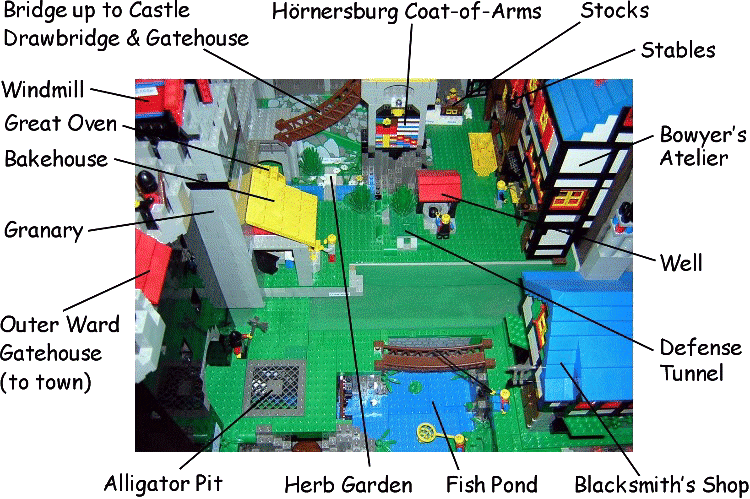
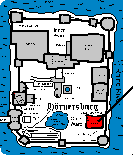
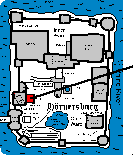
Bird’s Eye View of The Hoernersburg Castle Outer Ward (click for a larger view).
Barbican
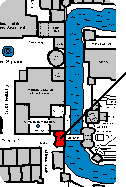
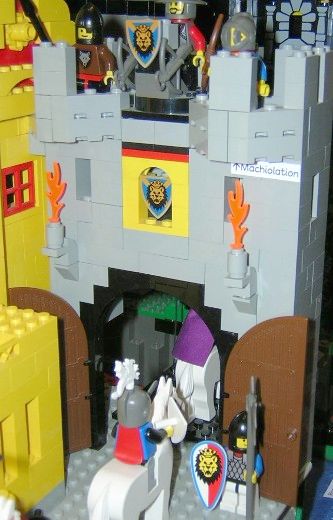
The Outer Ward of the Hoernersburg has two sets of gates. The first gate is called the Barbican. The Barbican of the Hoernersburg is on the side of the moat closest to the town.
Drawbridge and Gatehouse
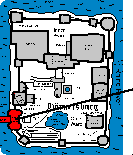
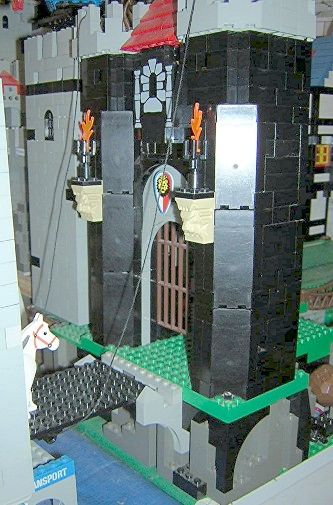
After going through the Barbican, you cross over the moat on the drawbridge, and then through the Gatehouse of the Outer Curtain.
Alligator Pit
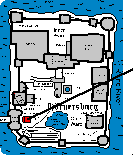
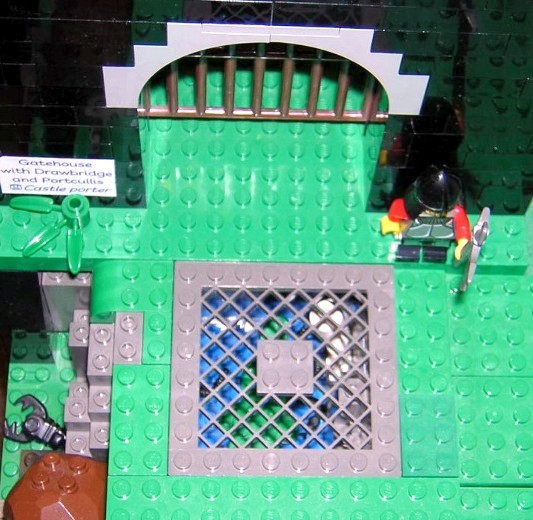
If an enemy makes it through the Gatehouse, there is always the Alligator Pit to contend with.
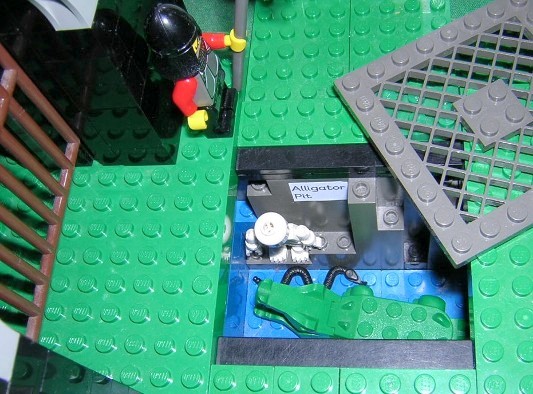
In times of danger, the grating on top of the pit is removed. Enemies charging through the Gatehouse are likely to fall into the pit, where they have the opportunity to meet man-eating alligators face-to-face.
Defensive Tunnel
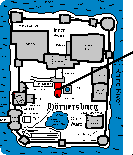
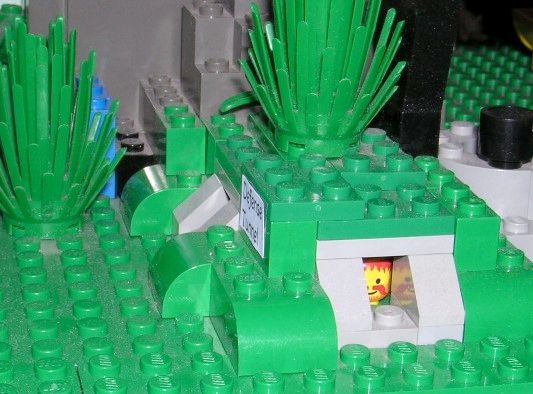
If enemies do manage to get into the Outer Ward, there is a defensive tunnel dug into the ground. Here, defending troops can shoot at the enemies’ feet.
Busy Place
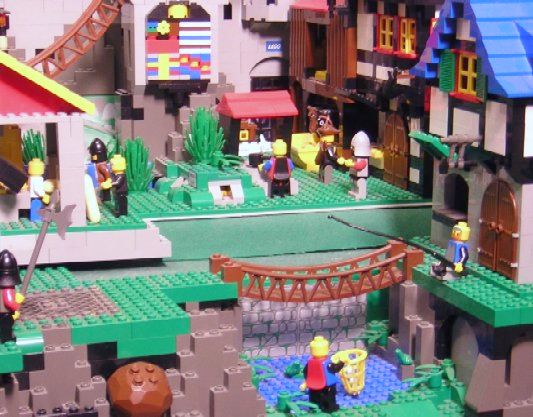
The Outer Ward is a busy and noisy place. Timber-framed buildings line the walls. These provide shelter for animals, house the workshops of craftsmen, and serve as storerooms for people living in the Lego castle.
Bowyer’s Atelier
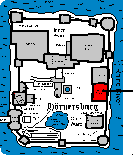
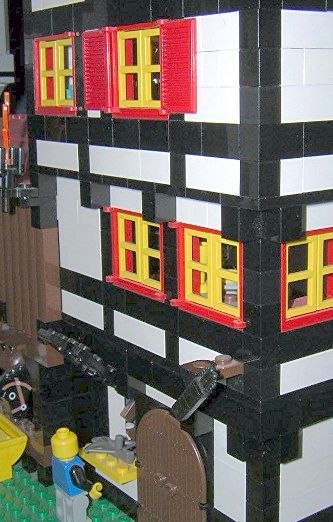
Next to the Stables is the Bowyer’s Atelier. An Atelier is a workshop where craftsmen practice their trade.
On the main floor of most ateliers is an opening window with a counter. From this window, the craftsman sells his goods to people on the street. Looks like the Bowyer has a customer!
Cross-Section
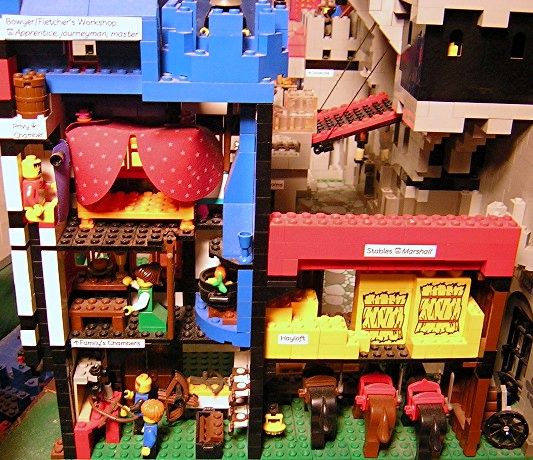
From behind, we get a good view of the Bowyer Shop’s interior and the Castle Stables.
Bowyer’s Shop
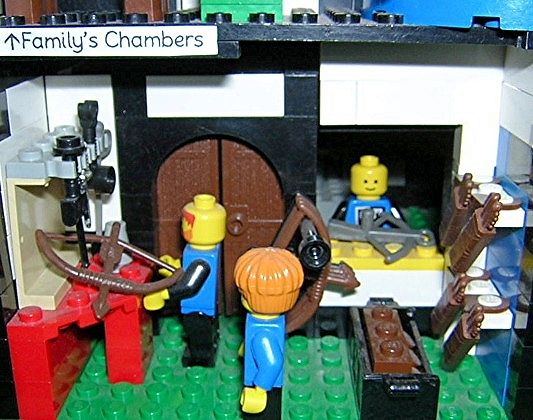
The Bowyer is a craftsman who manufactures bows. This skill is much in demand. Helping the Bowyer is a young apprentice with a full head of hair. Someday, he’ll be a Bowyer too and have his own shop.
Bowyer’s Family Quarters
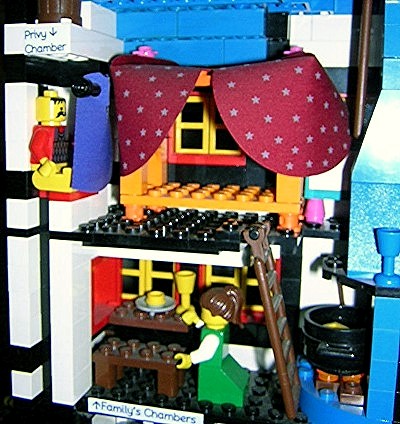
Above the workshop is where the craftsman’s family lives. Here, you can see his wife preparing a hearty supper. Upstairs, you’ll notice someone is using the Privy. The curtain in front provides a little bit of privacy. This Privy empties out onto the street.
Stables
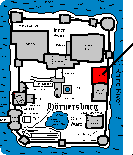
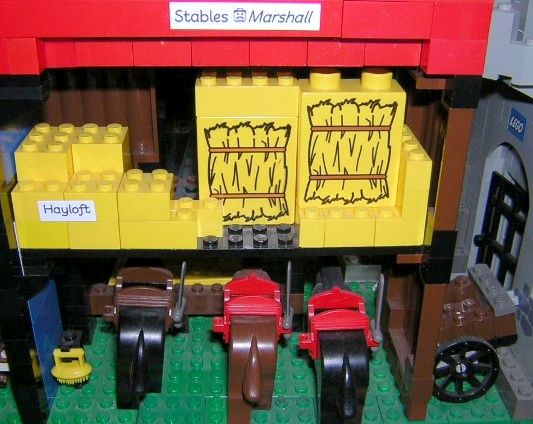
Some of the Baron’s animals are kept in the Outer Ward. Others graze in the fields and are brought in at night, or in times of danger. The Baron’s horses are kept in the Stables. The Marshal is in charge of tending to the Baron’s animals.
Blacksmith’s Atelier
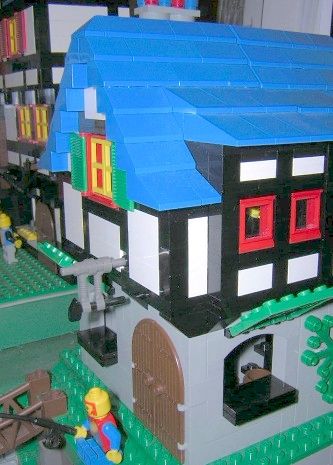
Next, we’ll walk over to the Blacksmith’s Atelier. The Blacksmith is a craftsman who forges and sharpens tools and weapons. He also makes hinges for doors, window grills and other fittings required for the castle.
(From a set designed by Daniel Siskind)
Blacksmith’s Shop
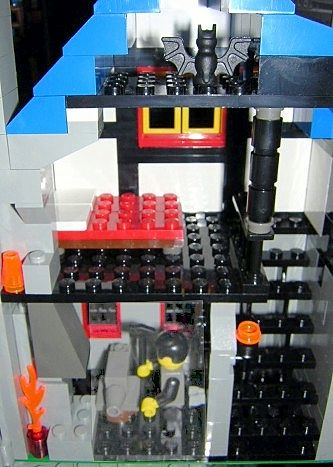
The blacksmith is very strong. He has to wield heavy hammers all day long in the scorching heat of the forge. Some blacksmiths are called Farriers. They specialize in making horse shoes and treating sick horses.
Blacksmith’s Family
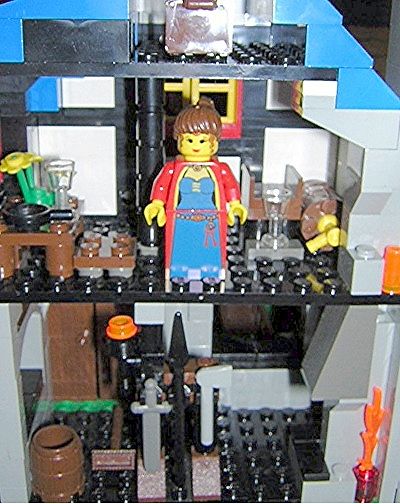
Above the Blacksmith’s workshop is his beautiful wife calling him to supper. I’m starting to get a little bit hungry myself.
Apothecarist’s Atelier
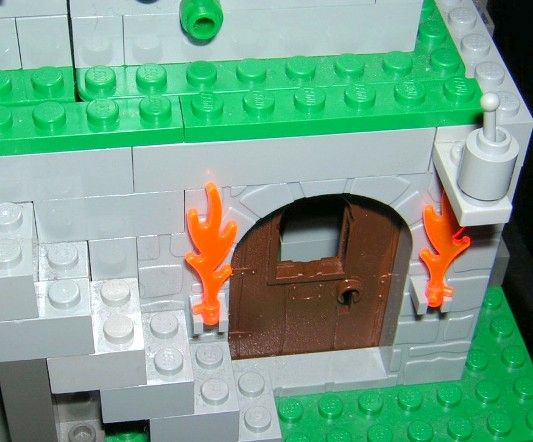
Below the Blacksmith is the Apothecarist’s Atelier. An apothecarist is someone who prepares and sells medicines and drugs.
Apothecarist’s Shop
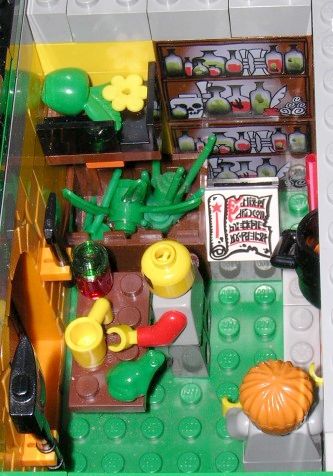
Most medicines are prepared from herbs. Primrose flowers help ease muscle aches. The juice from poppy flowers is a good painkiller. Many herbs and flowers are dried for storage. In fact, the modern word “drug” comes from the Old English word “driggen”, which means “to dry”.
Windmill
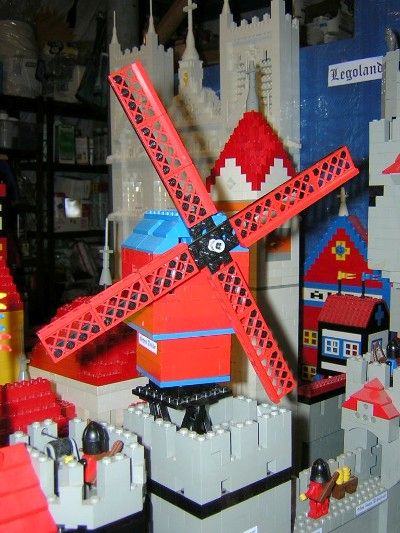
On top of the Outer Curtain wall is a small Wind Mill. This is where the Miller grinds grain into flour.
Miller
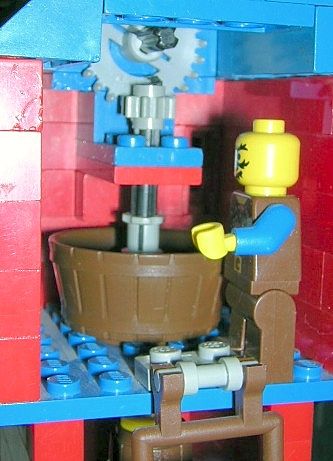
Everyone takes their grain to the Miller. He charges a fee called a Multure to grind it. A multure is a small portion of the flour produced from the grain.
Castle Bakehouse
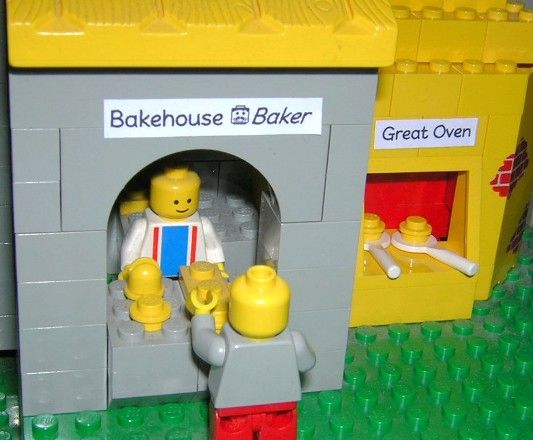
This is the Bakehouse and Great Oven. The Baker is in charge of baking the bread. Peasants bring their bread here for the Baker to bake. For being able to use the oven, the peasants give some of their loaves to the Baron.
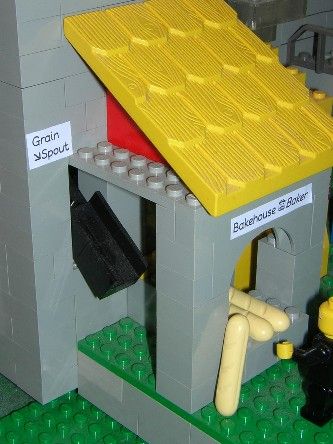
People eat a lot of bread. Most bread is so dense that people literally had to “break it” because it was too hard to cut.
Fish Stew
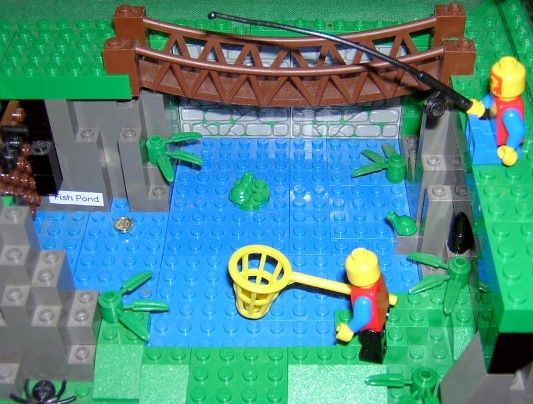
The castle fish pond is called the Fish Stew. It contains pike, eels, carp, and other types of fish. So that only the large fish are caught, the nets they use have wide meshes which allow the smaller fish to escape.
Dovecote
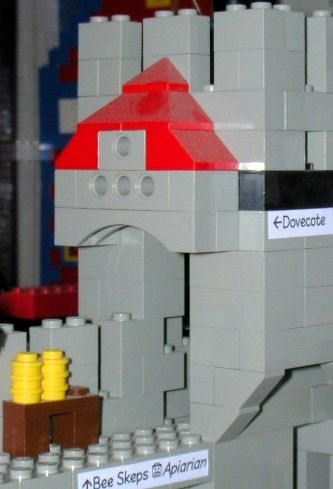
Over here is the Dovecote. This is where doves and pigeons roost until it’s time to cook them.
Below are the Bee Skeps. They’re made from coiled rope. The Apiarian is in charge of caring for the bees. Honey is the most common sweetener as sugar is expensive and has to be shipped from abroad. The hive is also a good source of candle wax for the candle maker, who is called a Chandler.
Herb Garden
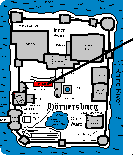
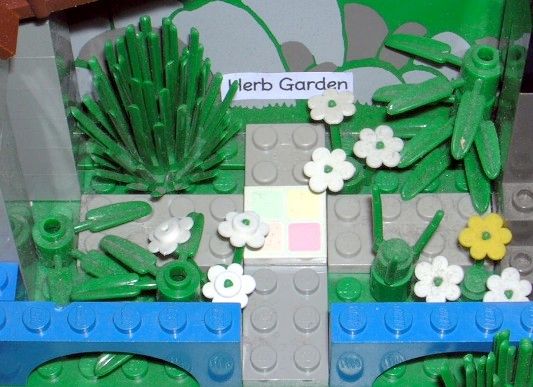
The Herb Garden is both pretty and practical. Some of the herbs are used by the Apothecarist for their healing properties. Parsley, mint, and thyme are harvested and used by the cook to flavor dishes. The Gardener takes care of the garden. He also makes sure that ivy doesn’t grow on the castle walls. On more than one occasion, enemies have tried to climb up the ivy and gain entrance to the castle.
Well
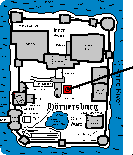
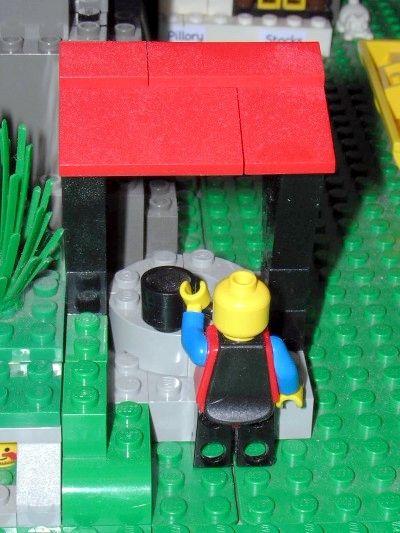
Here is a well which supplies some of the castle’s water. The Hoernersburg has more than one well, plus it also has a cistern.
Stocks and Pillory
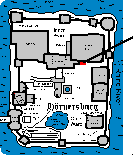
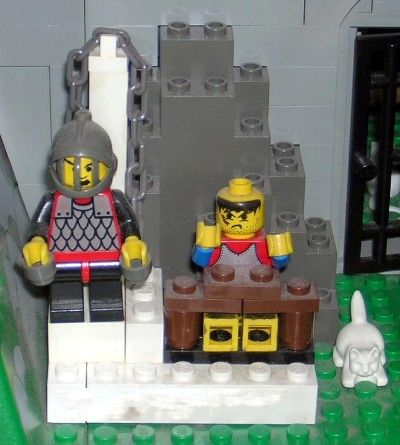
Before leaving the Outer Ward, take note of these two criminals being punished. The man chained to the post has to wear a funny mask because he was caught lying. The man on the right has his feet locked in the stocks because he was caught cheating. Hopefully, these humiliating punishments will help them reform their ways.
And folks, please don’t throw any rotten tomatoes at them. They’ve already had enough.